
WRITTEN BY Cedric K. H. Goh, CGD ART STUDIO
Edited Aug 12th, 2023. © All Images Copyright 2023 by CGD ART STUDIO, Unless specified otherwise .
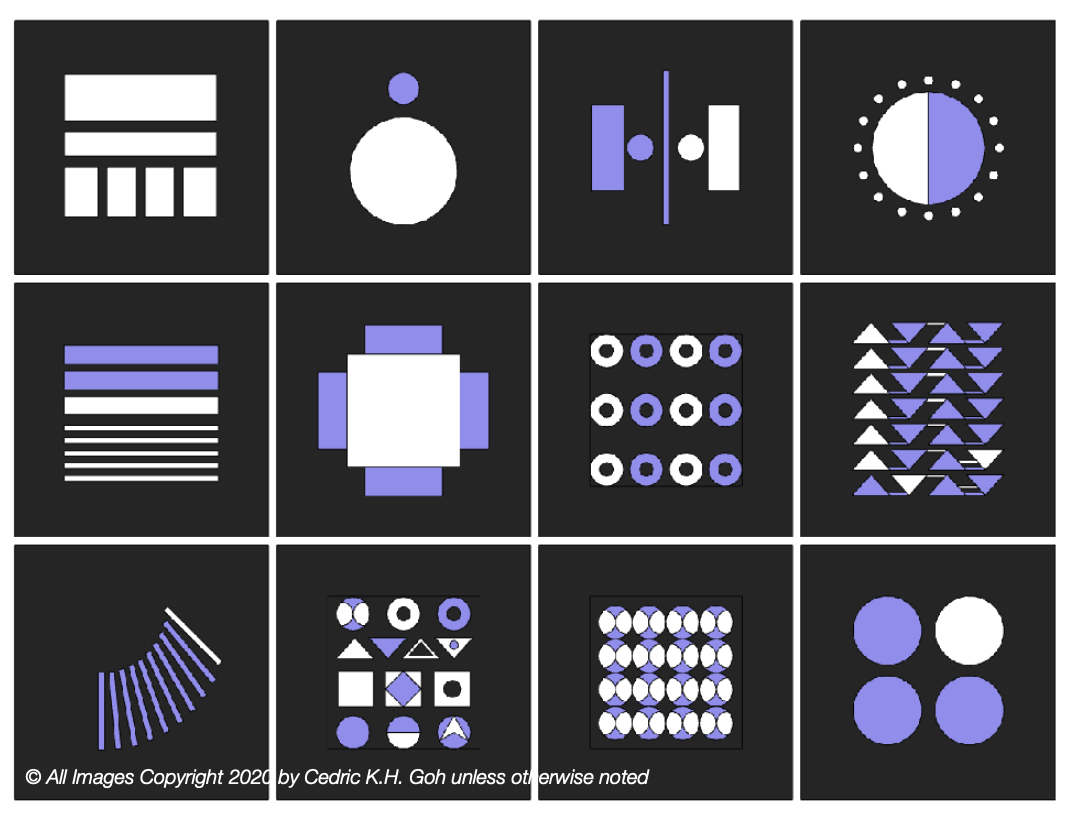
When we talk about an interior space, we must pay attention to the elements that dictates the quality of how well the space is planned and designed. The quality of light; the use of lines, forms, texture and patterns; the tactfulness in the use of color and how that affects the experience of space; they all contribute to an overall effectiveness of how well spaces are conceived. On the contrary, designers do need a set of principles [ design skills ] to realize the design vision and effectively create quality and well-crafted interior space.
These principles are not to be confused with elements that governs the quality of an interior space, these are design principles which are important techniques and methods in the madness of applying all the principles when designing spaces.
“ I strive for two things in design. Simplicity and clarity. Great design is born of those two things. ”
The Importance Of Design Clarity
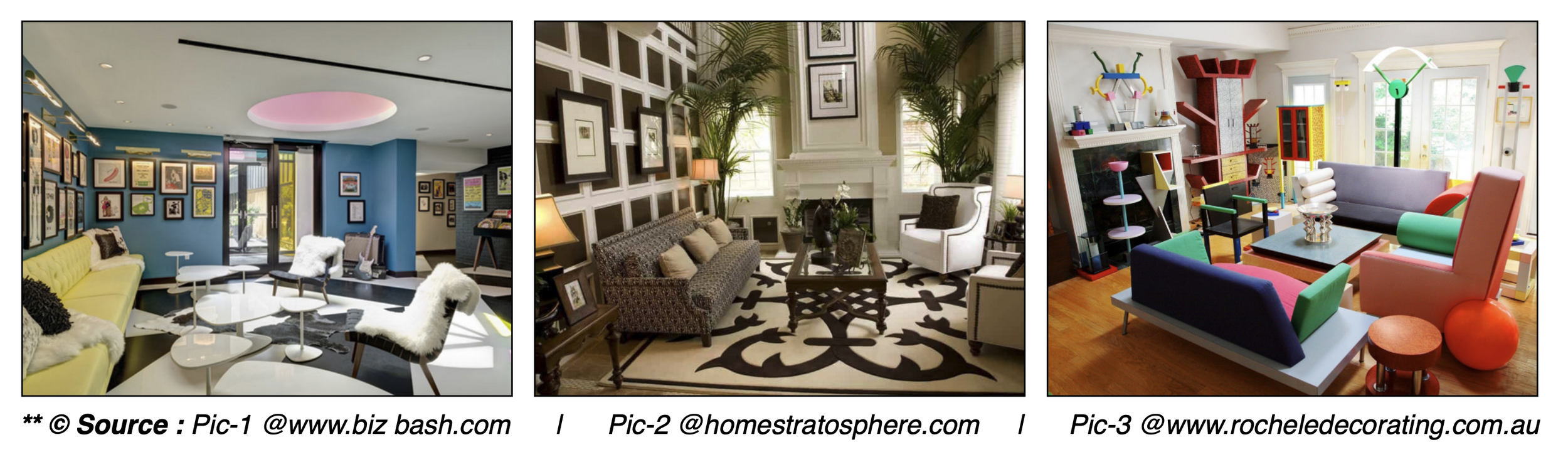
The three examples below shows different design approaches which seems to yield less than ideal design outcome. There are some design challenges that do bring out the worse in terms of aesthetics and an overall concept. Sometimes messy and lacking in a clear design direction (pic-1), perhaps too much texture and over-decorated (pic-2) or completely unclear of a central theme and focal point (pic-3). They would seem either aesthetically confused or desperately over-designed. Nevertheless, most design endeavors undertaken by genuine professionals are usually completed with a fairly respectable outcome. Their professional training in using the set of skills (design principles ) to approach every design challenge typically yields quality outcome.
Generally there isn’t a design challenge where only one design principle is used. In most cases, two or more principles are used concurrently in order to create impactful design outcome. Whichever style or design intent is chosen, all design principles are likely used in different parts and in varying intensity to create a well designed space.
Hence, clarity is absolutely vital in interior design to convey a singular cohesive design direction. When there is a congestion of design ideas or overuse of design principles resulting in a tactless discord of conflicting ideas vying for attention, we end up with a space which is rich in texture and variety but may become confusing and disorientating for users.
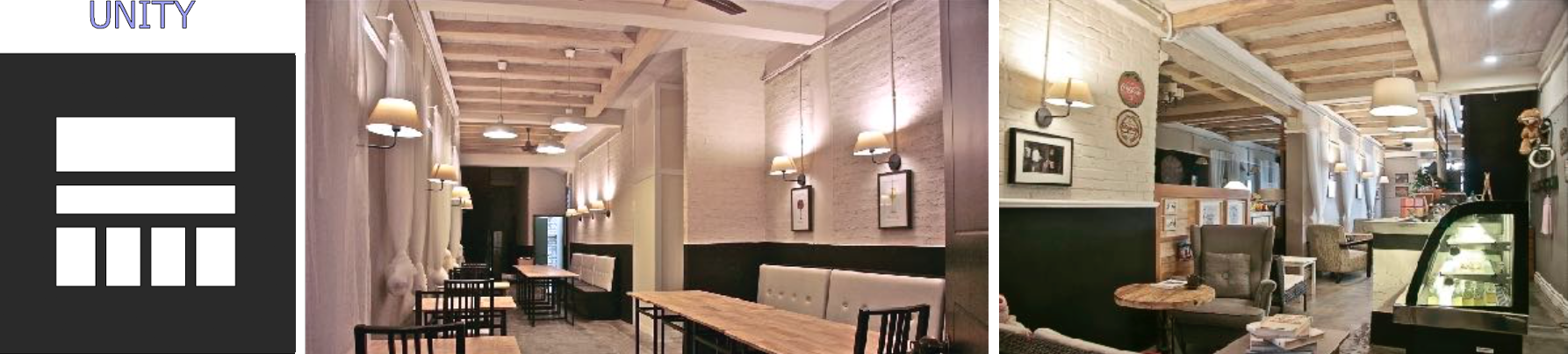
1. Unity
Unity is the overarching principle that governs a good design outcome. It refers to how each design element relate to one another while forming a unified whole. Each element should clearly convey a visual identity in order to communicate a consistent and coherent design language.
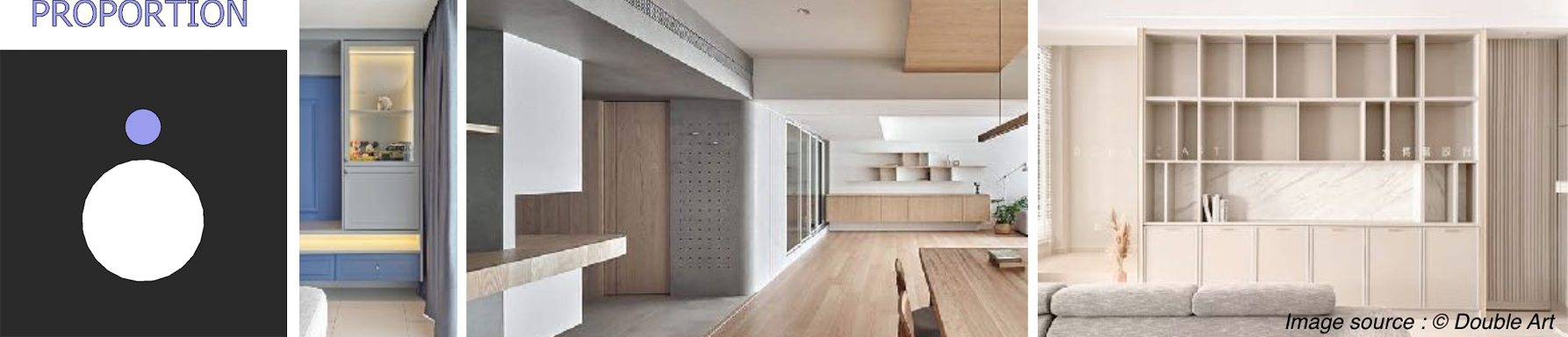
2. Proportion
Proportion refers to how design element of different sizes relate to each other when combined together. This is a supporting principle of “unity” where in this case only scale and size is concerned.
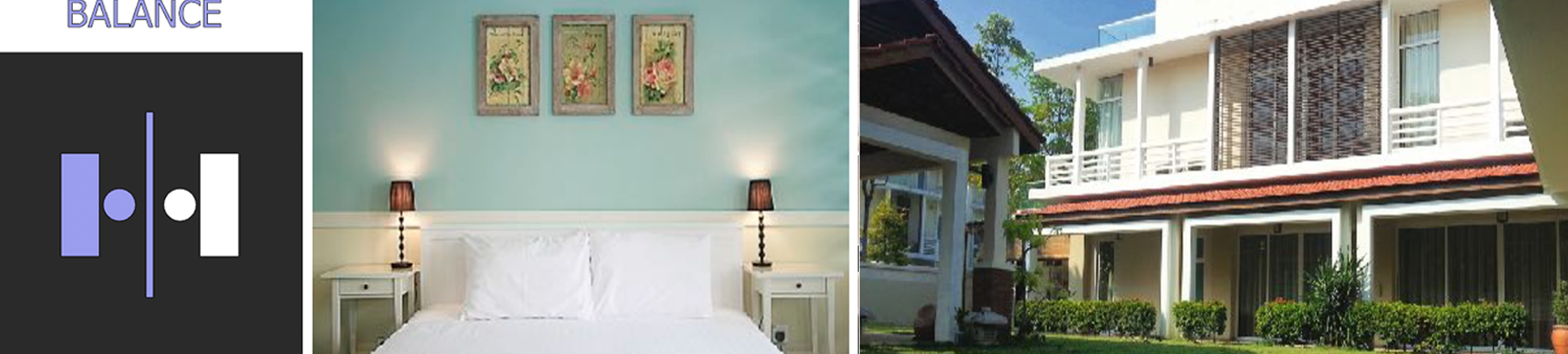
3. Balance
There is symmetrical and asymmetrical balance. Either equal or off-balanced in relation to an off-centred line. Both approaches uses the principle of ‘visual weights’ between each elements within a design in achieving a sense of balance.
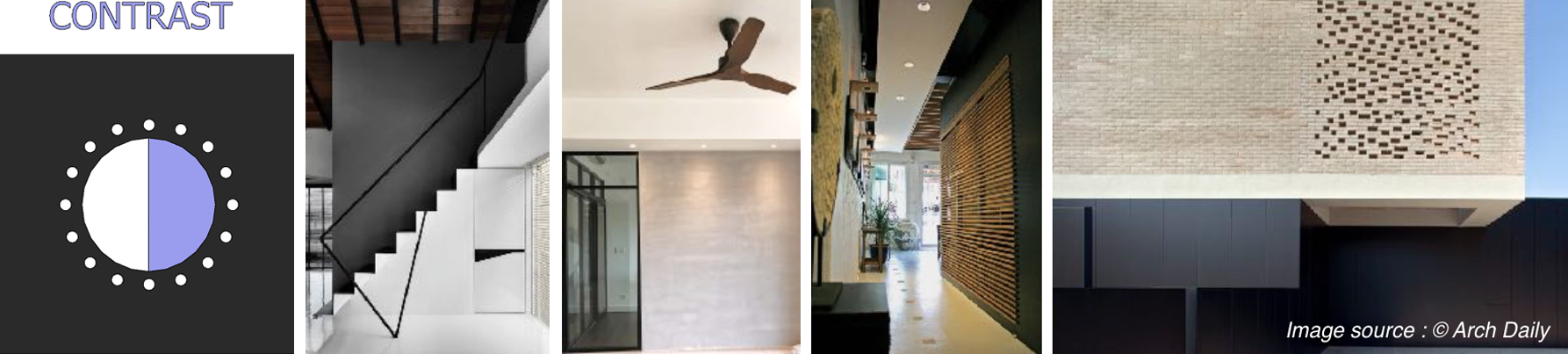
4. Contrast
Contrast is a design principle focusing on highlighting the differences, atnd creating a tensional balance between elements. It can be the use of contrasting material, texture, colour or shapes and volume. In combination with the use of balance and proportion design principles, contrast accentuate the design outcome.
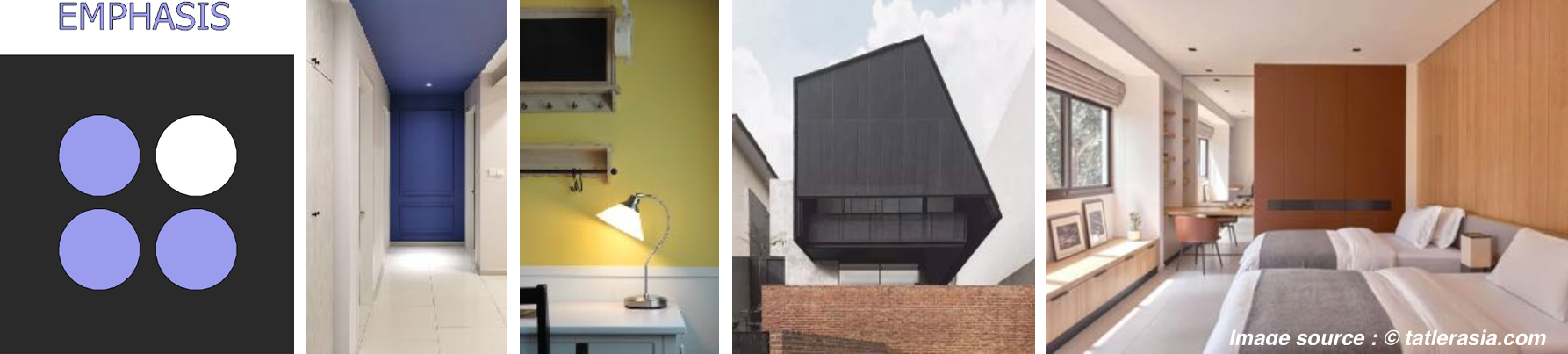
5. Emphasis
Emphasis has some similarity to the principle of contrast in highlighting a design element. It creates focus and brings clarity to the design intent. Conversely, it can also be used to direct attention away from non-important design elements.
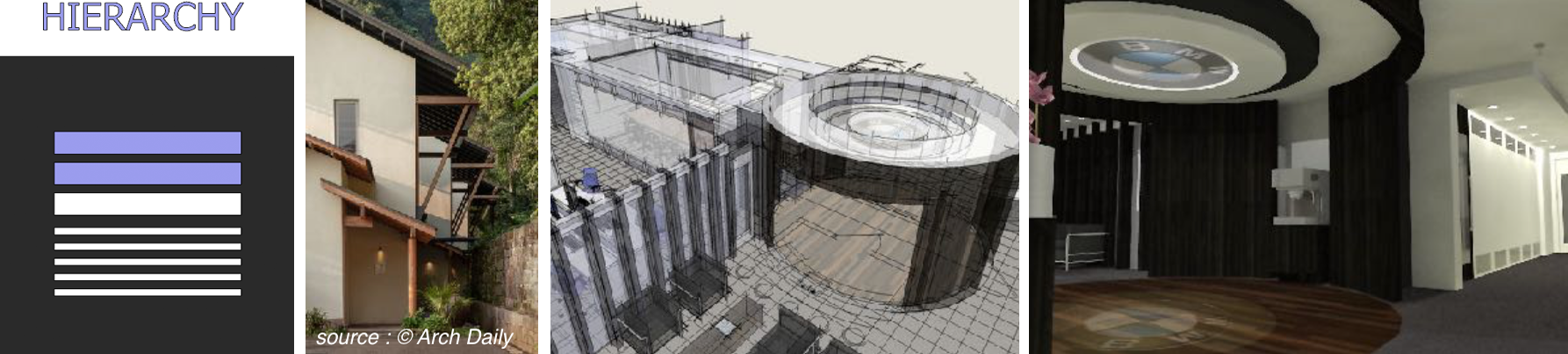
6. Hierarchy
Hierarchy is a design technique used in layering design elements in an order of their importance. Prominent element will be visually pronounced while less critical elements will be more subtle hence drawing less attention.
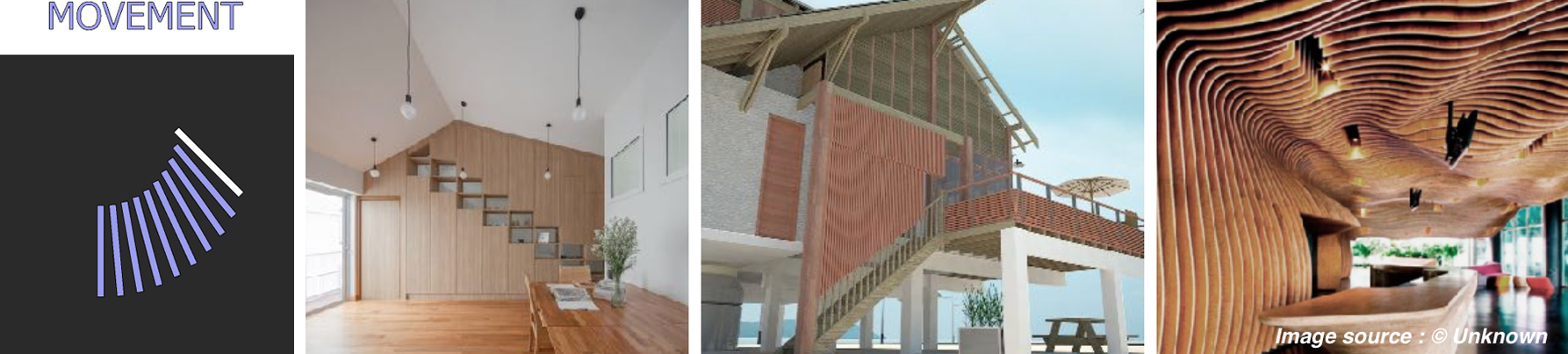
7. Movement
Movement is how a design element draws attention as one moves through a space. It can be repetitive elements, or combination of pattern, hierarchy and rhythm. Movement is a powerful design principle providing visual intensity and spatial continuity.
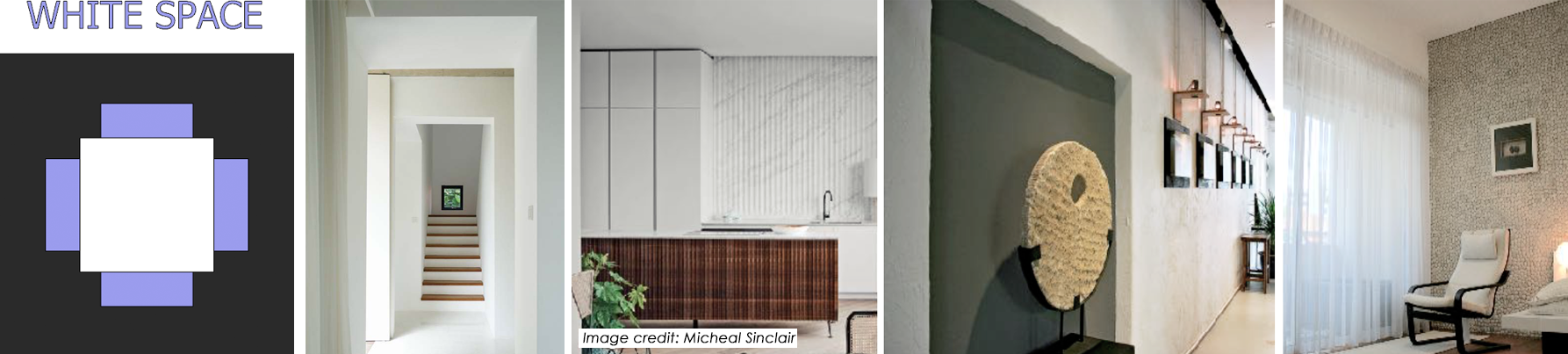
8. White Space
White space is the area where there is no design intent. It is very often used in conjunction with hierarchy to play a supportive role in bringing attention to the prominent design elements. It is one of the most sophisticated visual skill to master as it involves the ability to elevate a clear design intent with nothingness. Essentially exhibiting design impact with as little as possible.
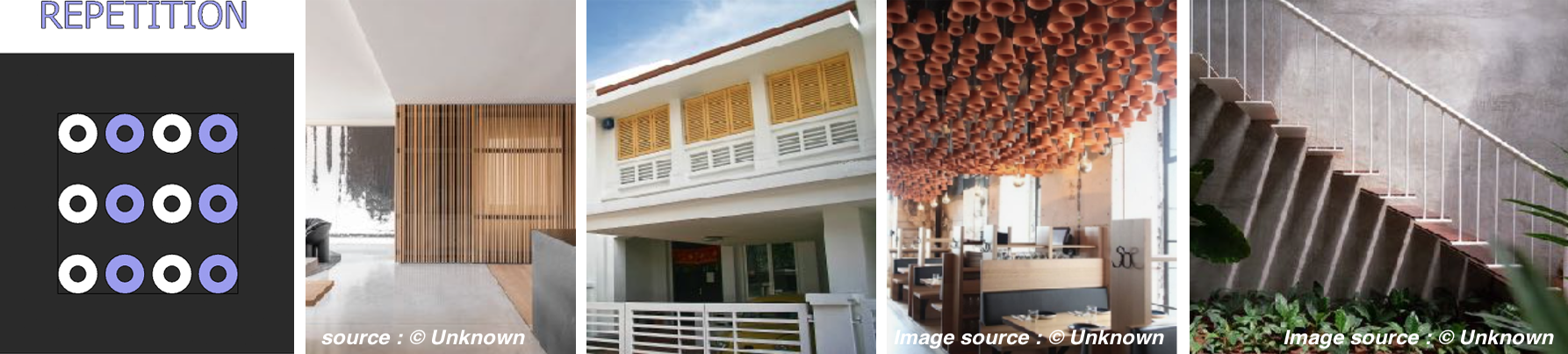
9. Repetition
Repetition is commonly used by interior designers to emphasize a design intent. Repetitive elements is slightly more cost effective in creating visual impact with uniformity and strong visual presence.
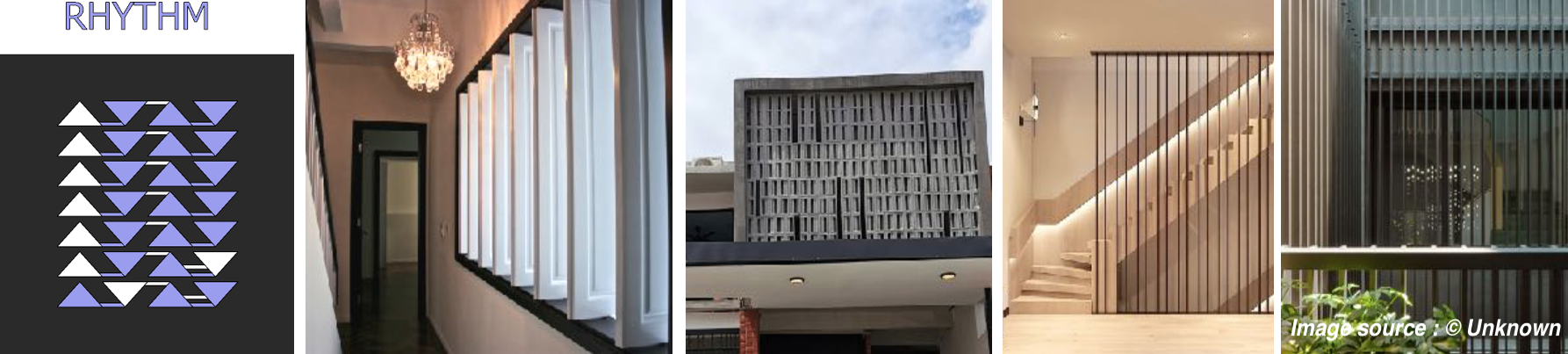
10. Rhythm
Rhythm can be used in many ways to create calm or exciting surfaces or objects. Regular repetitive elements will create calmness while irregular elements following a pattern of repetition will exude excitement.
11. Pattern
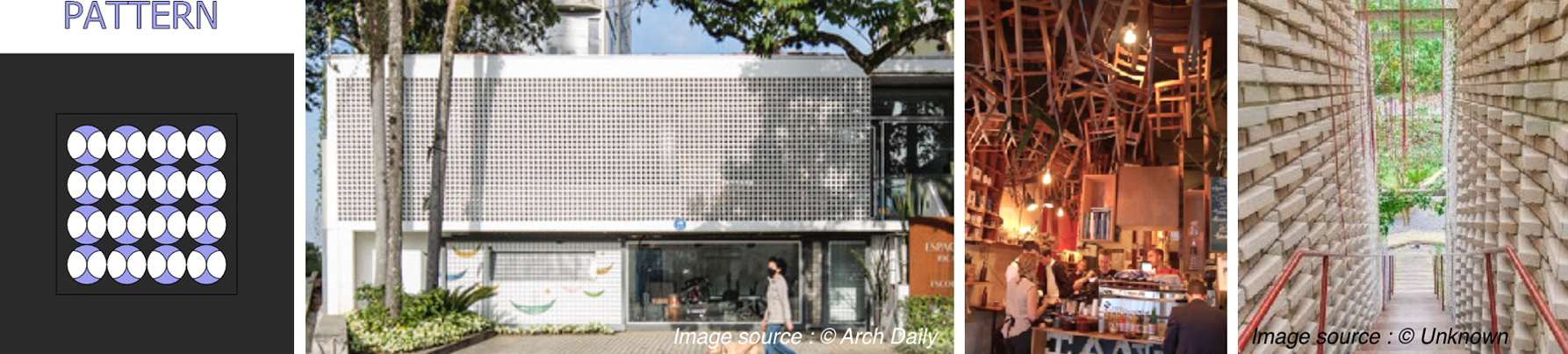
Pattern is used in the form of repetitive design elements. Typically in interior design, generally it would in the form of variations in material texture, arrangement or pattern. Wallpaper is also another way pattern is introduced into an interior space as a complementary design element. In architecture, pattern usually has an element of texture that creates visual interest and functionality but yet striving to be restrained and calm. Although there are countless examples of architects experimenting with a variety of exciting texture.
12. Variety
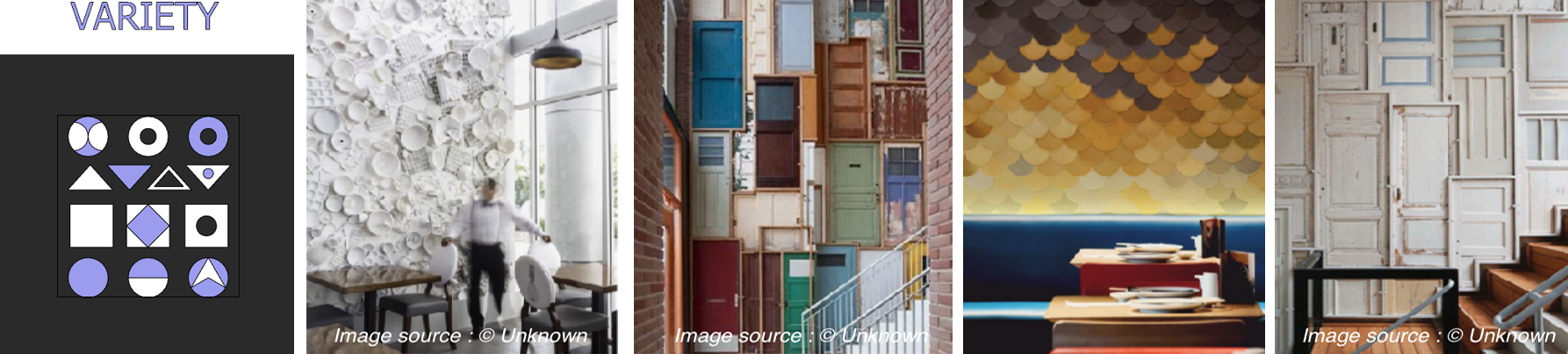
Variety is used to create visual interest. It can be used in varying methods from a subdued palette to a colourful and intense version. Paired with other repetition, contrast, balance and pattern, the principle of variety explores different ways to bring design flair to an interior space. Due to its strong visual presence, it is typically used sparingly as a focal point on walls, or curated furnishings.
Design Strategy
The use of design principles is critical to the outcome of a well conceived interior space. Occasionally, it is difficult to differentiate the varying design principles due to their similarity in application. Something that looks like a pattern could be classified as variety. Generally there isn’t a design challenge where only one design principle is used. Very often designing buildings or interiors requires the complete skillset to apply them in a cohesive manner. The execution of this work becomes second nature to professionally skillful designers. In most cases, two or more principles are usually applied concurrently in order to create impactful design outcome. However, clarity is important in interior design to convey a singular cohesive design direction. When there is a congestion of design ideas or overuse of design principles resulting in a tactless discord of conflicting ideas vying for attention, we end up with a space which is rich in texture and variety but may become confusing and disorientating for users. Whether it is all or just one principle being used, the application of design principles bring clarity and calmness creating a sophisticated bespoke interior space without looking amateurish or tacky.
Typically, we achieve that look in combination with the use of expensive quality materials. However, in some cases, we can actually get close to a well conceived interior using durable and affordable materials in combination with skillful application of design principles. That will be a topic to be addressed in another article on ‘design strategy on a budget’.