
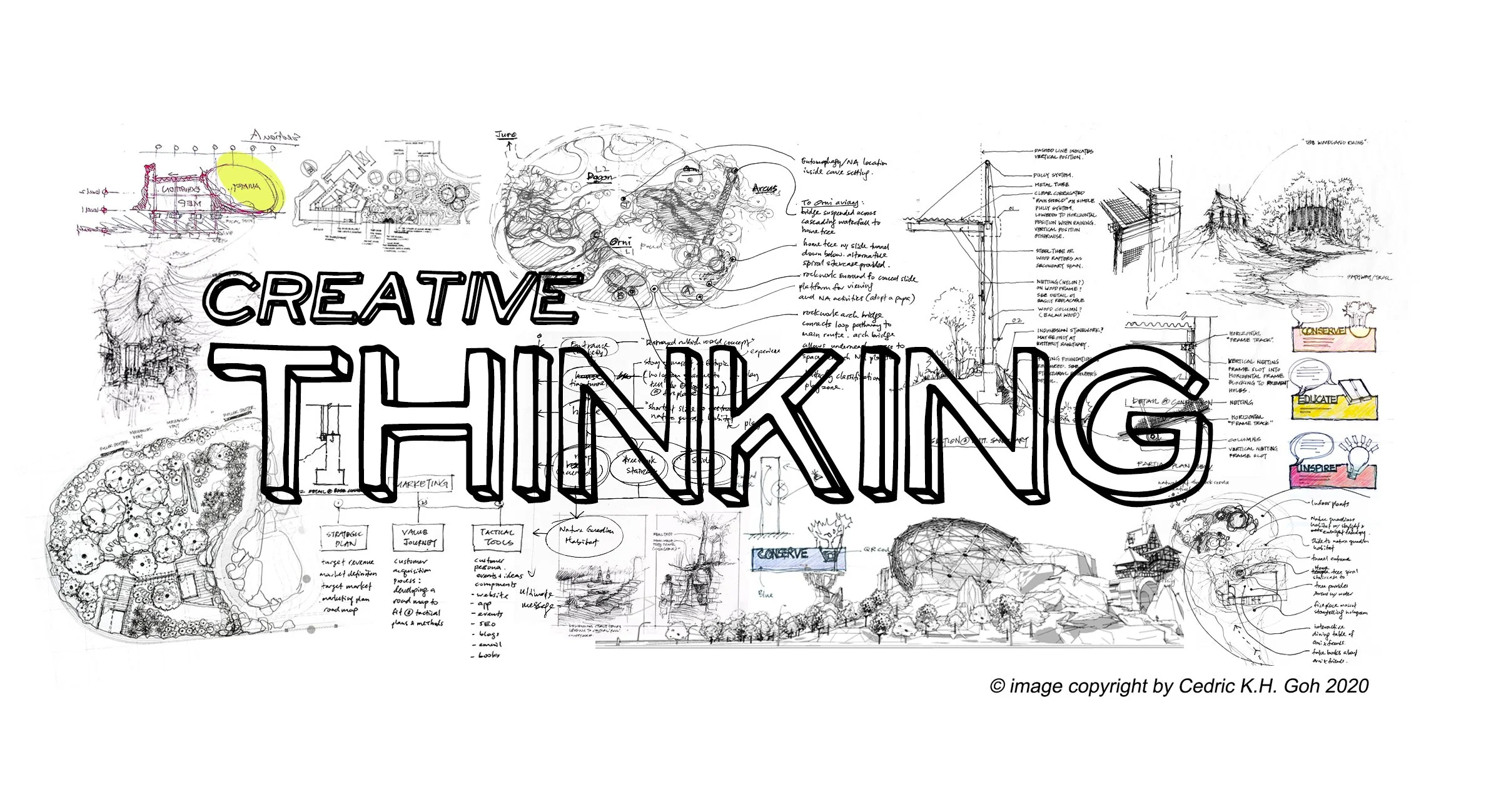
CREATING CREATIVE THINKING
“ Rules are what the artist breaks; the memorable never emerged from a formula.” Bill Bernbach

“ The essence of interior design will always be about people and how they live. It is about the realities of what makes for an attractive, civilised, meaningful environment, not about fashion or what’s in or out. This is not an easy job. ”
Quote Source : Albert Hadley
DESIGN THINKING
Our design thinking is driven by a creative process focusing on a few key principles that governs how we respond to each design challenge. Very often, client brief is skeletal and lacks clarity. We do our best to read between the lines, decipher what is required, and offer solutions to best address the design challenge. Each home is unique, presenting a different context where solution will almost certainly requires a exhausting ideation process. The design space we embrace, [ between luxury and economy ] embodies the values and principles we uphold. - the light, the character, and the coherent flow of dwelling spaces. Design does not always need to be an unreachable plateau, reserved only for the ultra elite.
B E T W E E N
L I G H T A N D D A R K N E S S
[ designing for comfort ]
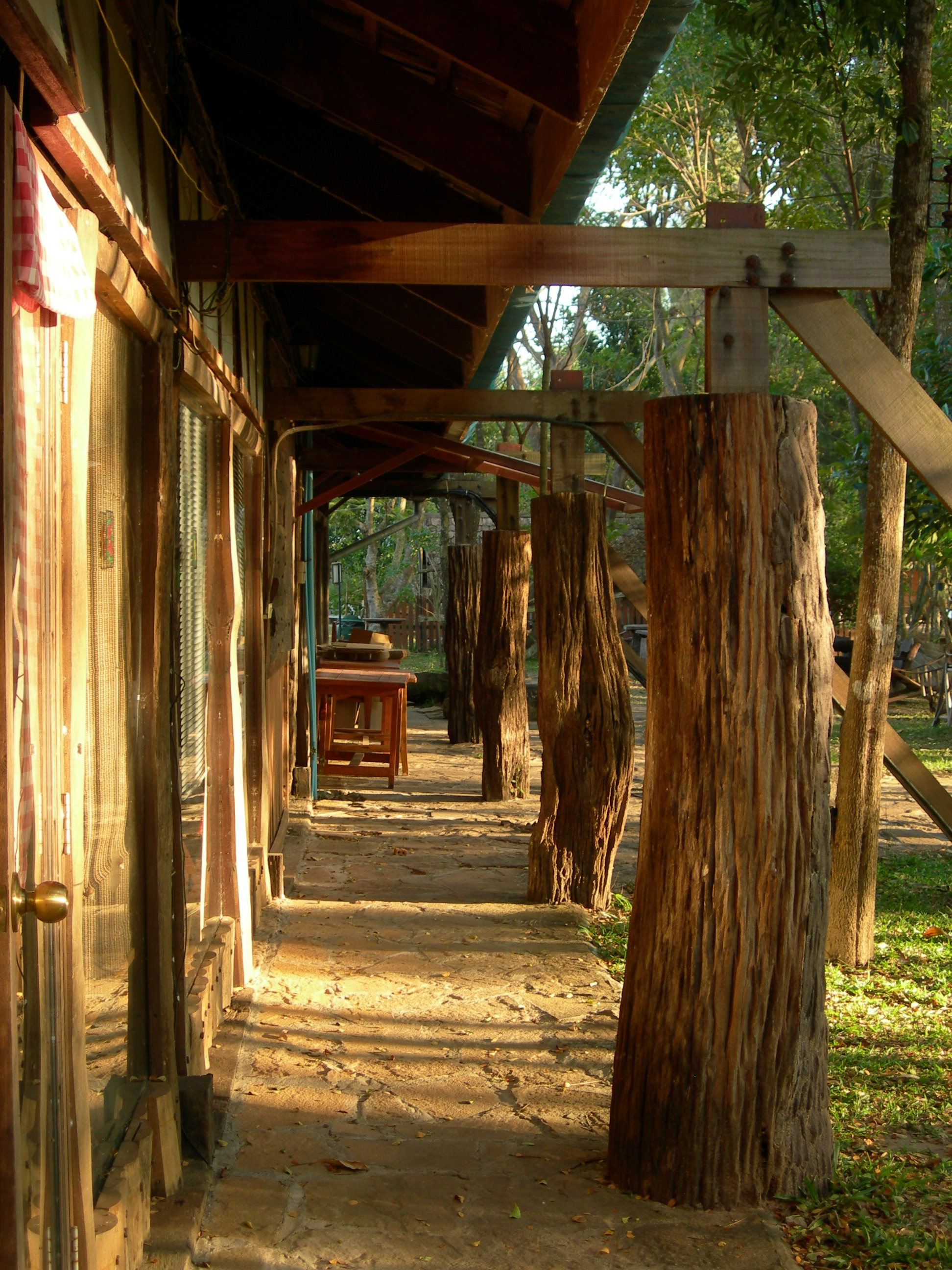
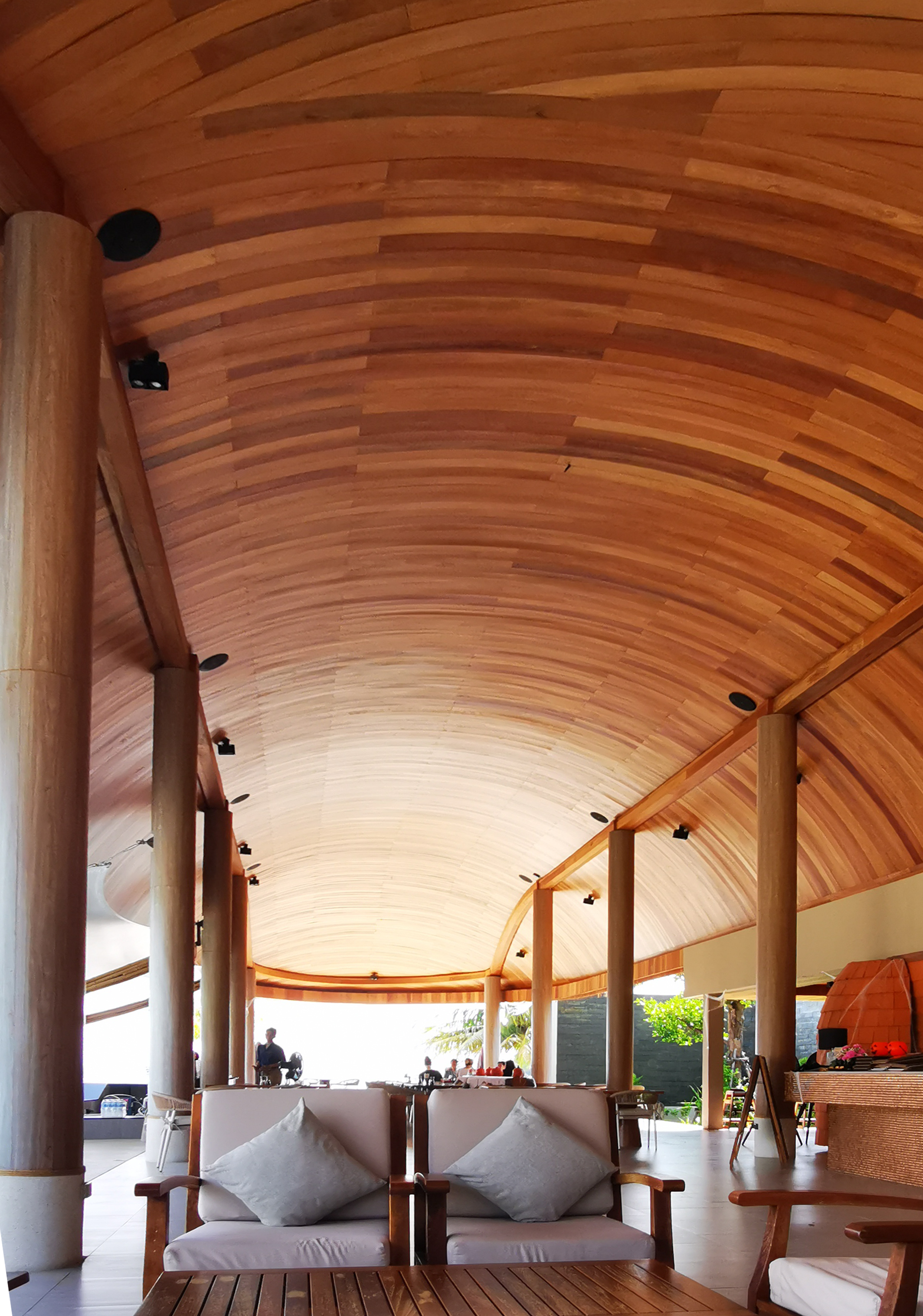
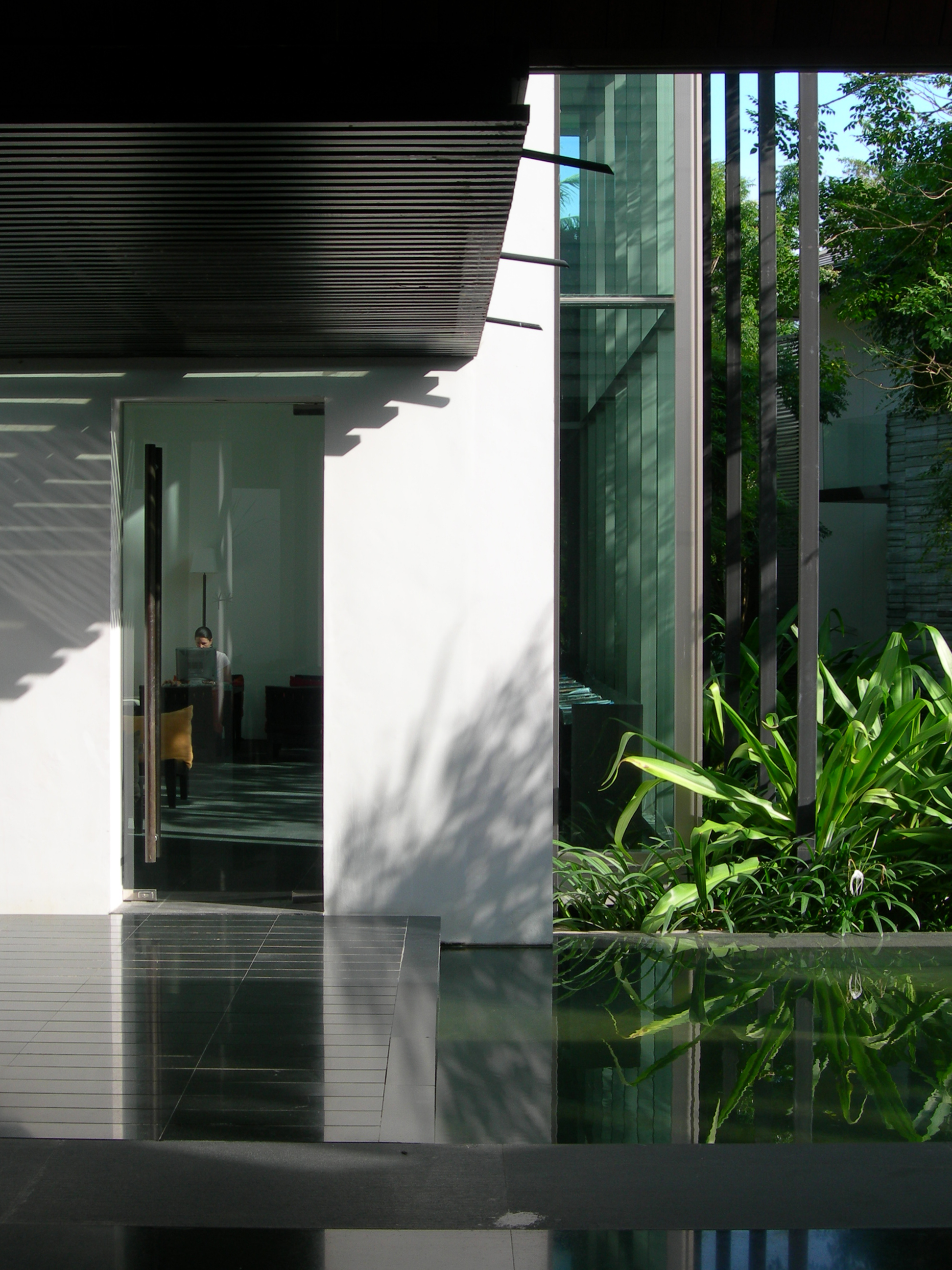
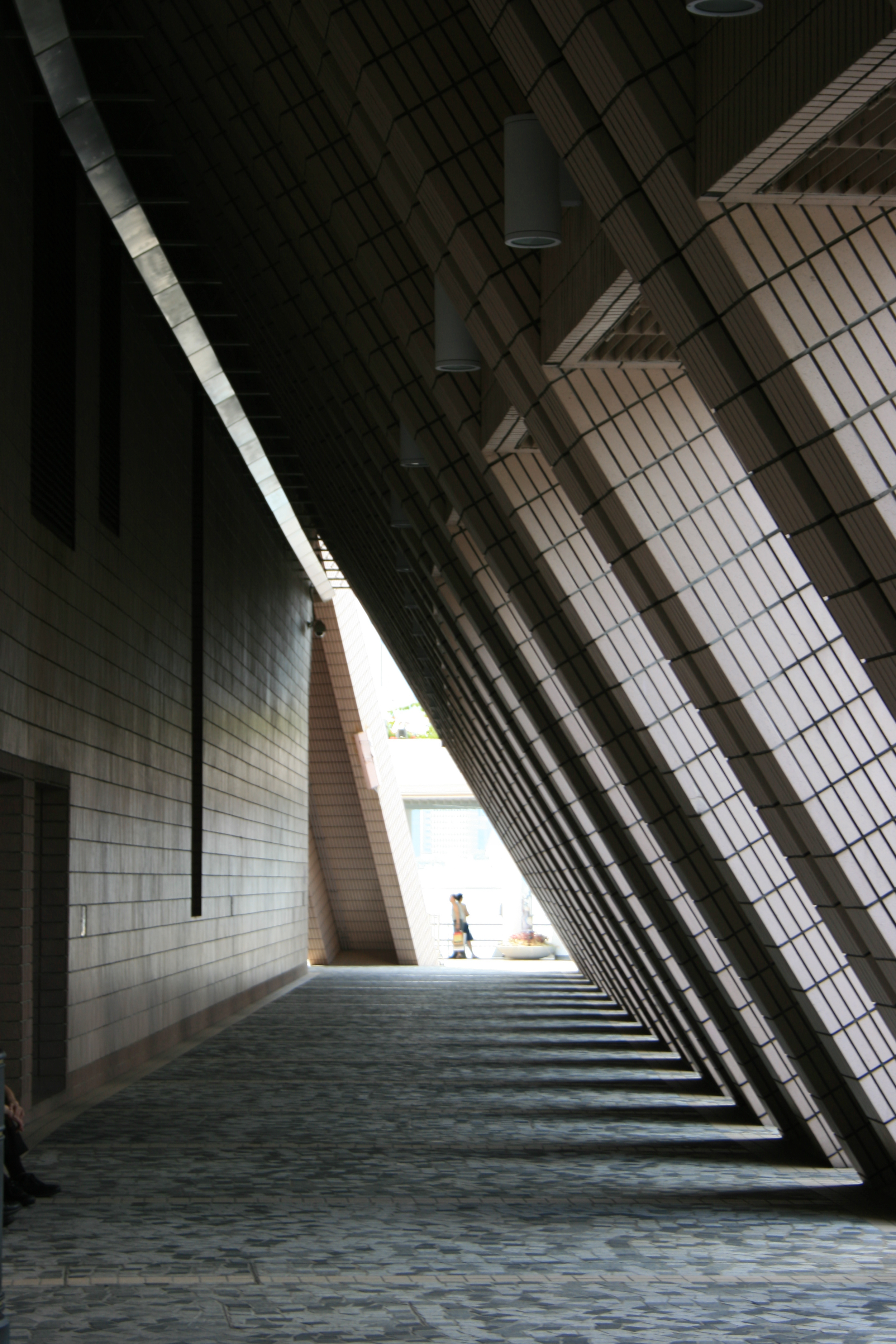
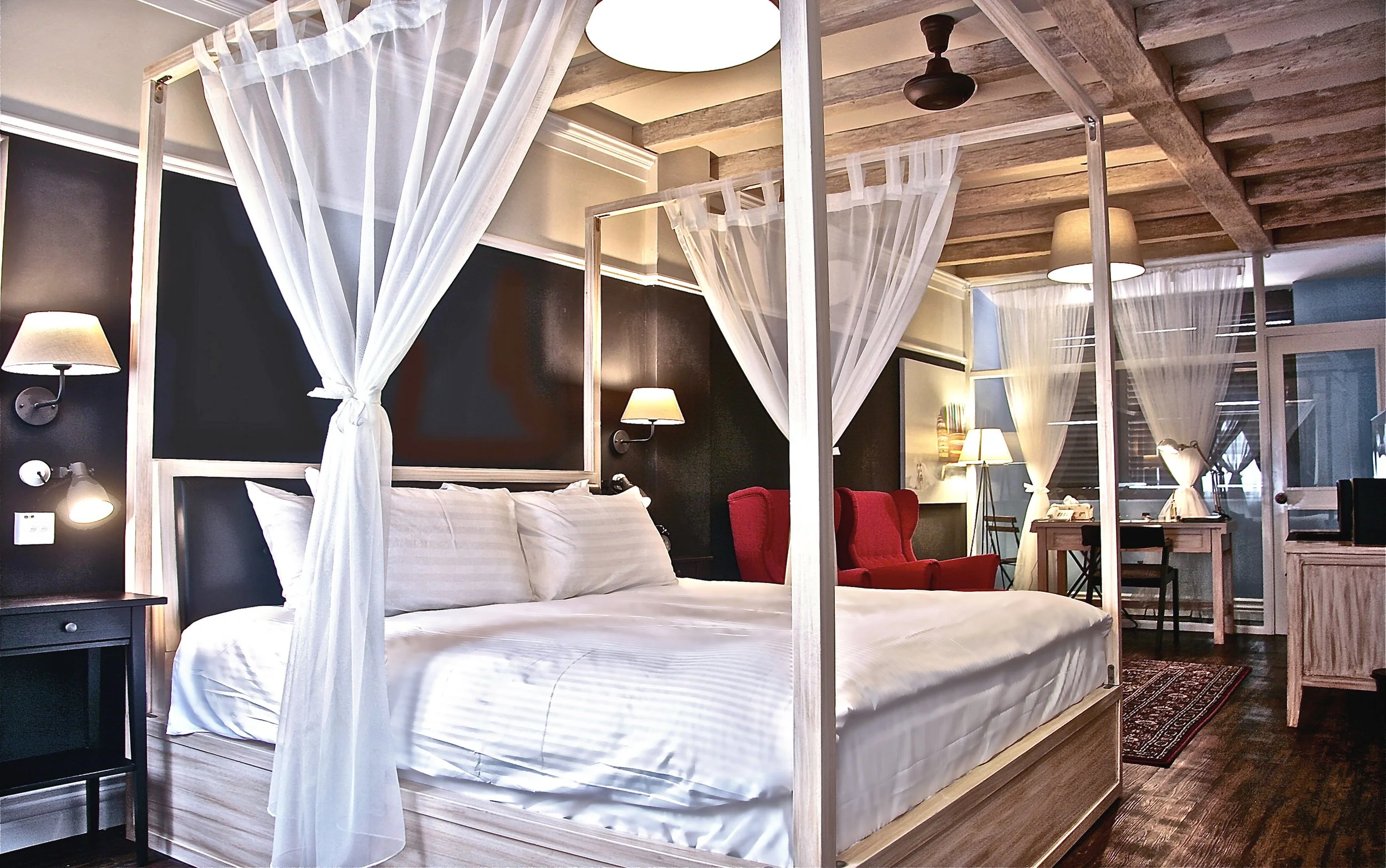
Between exterior and interior is where light becomes crucial. Where there is quality light, there will be comfortable space. Without light, all spaces fall into darkness where no expensive material or design element can reveal its true beauty. With light, we can see how the qualities of material, space, form and texture are given the opportunity to shine. We stay away from direct sunlight, but yet we want and we need the light. We are afraid of the dark and yet we must face darkness every night in our lives. What is enlightening is that we want spaces that which is not too bright and not in complete darkness. In essence, between light and darkness hides the perfect space. A perfect Living Space. Whether natural or artificially designed lighting, we value the importance of light and will make great effort to bring spaces to life with the right lighting. That philosophy permeates the values and thought process that goes into how we approach our work.

B E T W E E N
A R T A N D D E S I G N
[ functionality in art ]
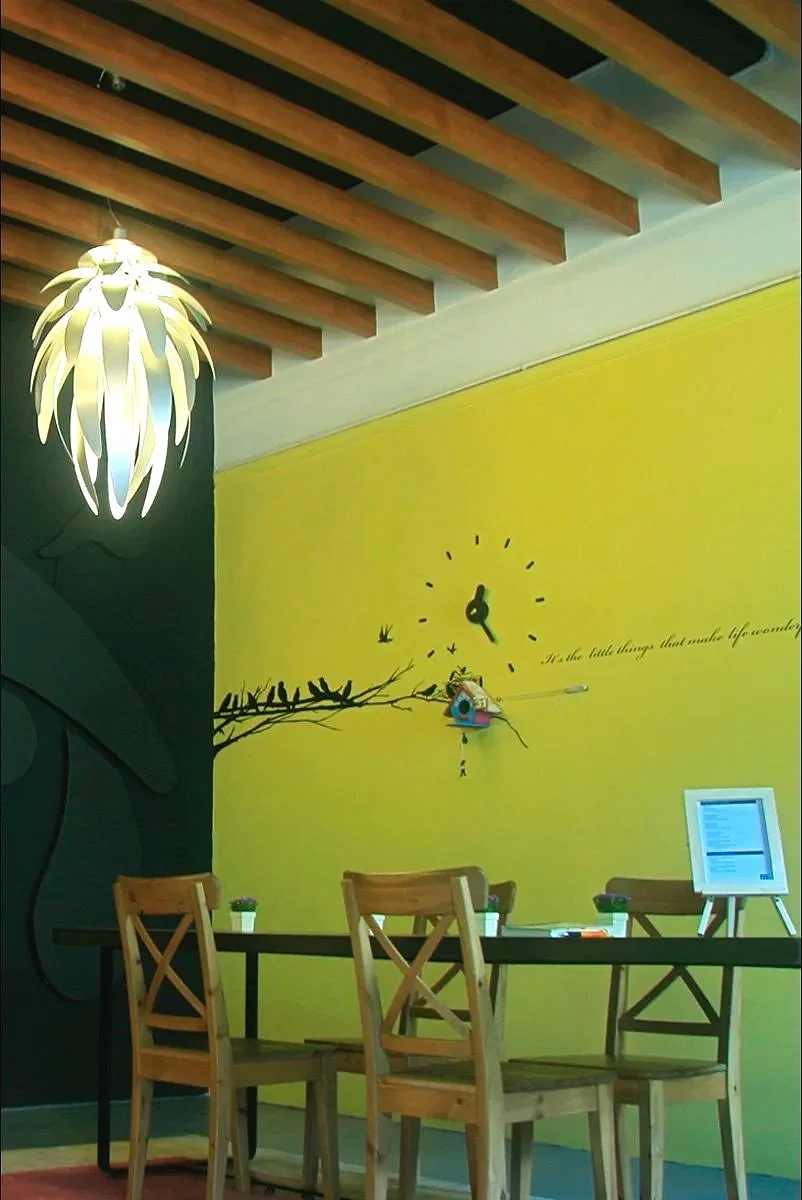
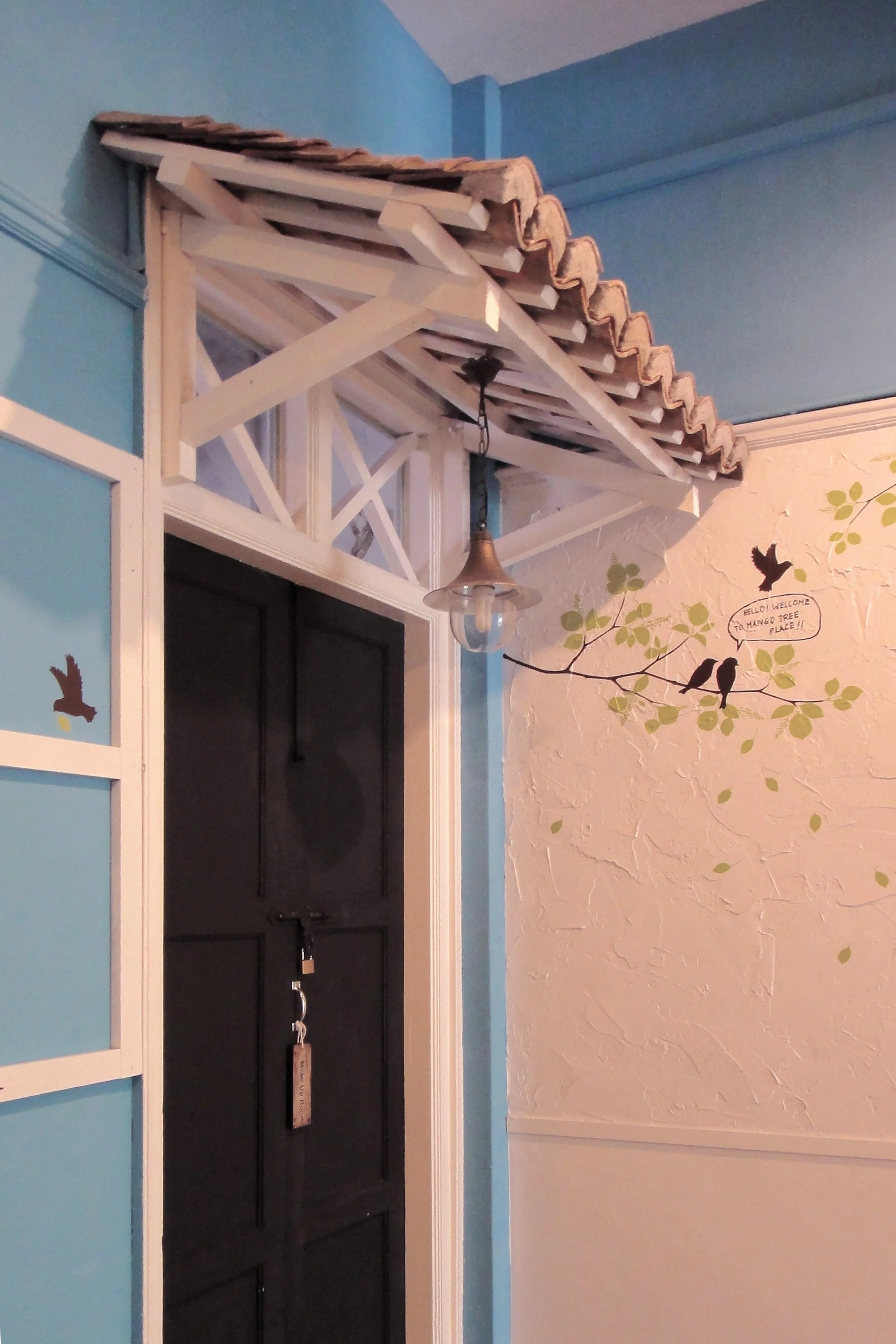
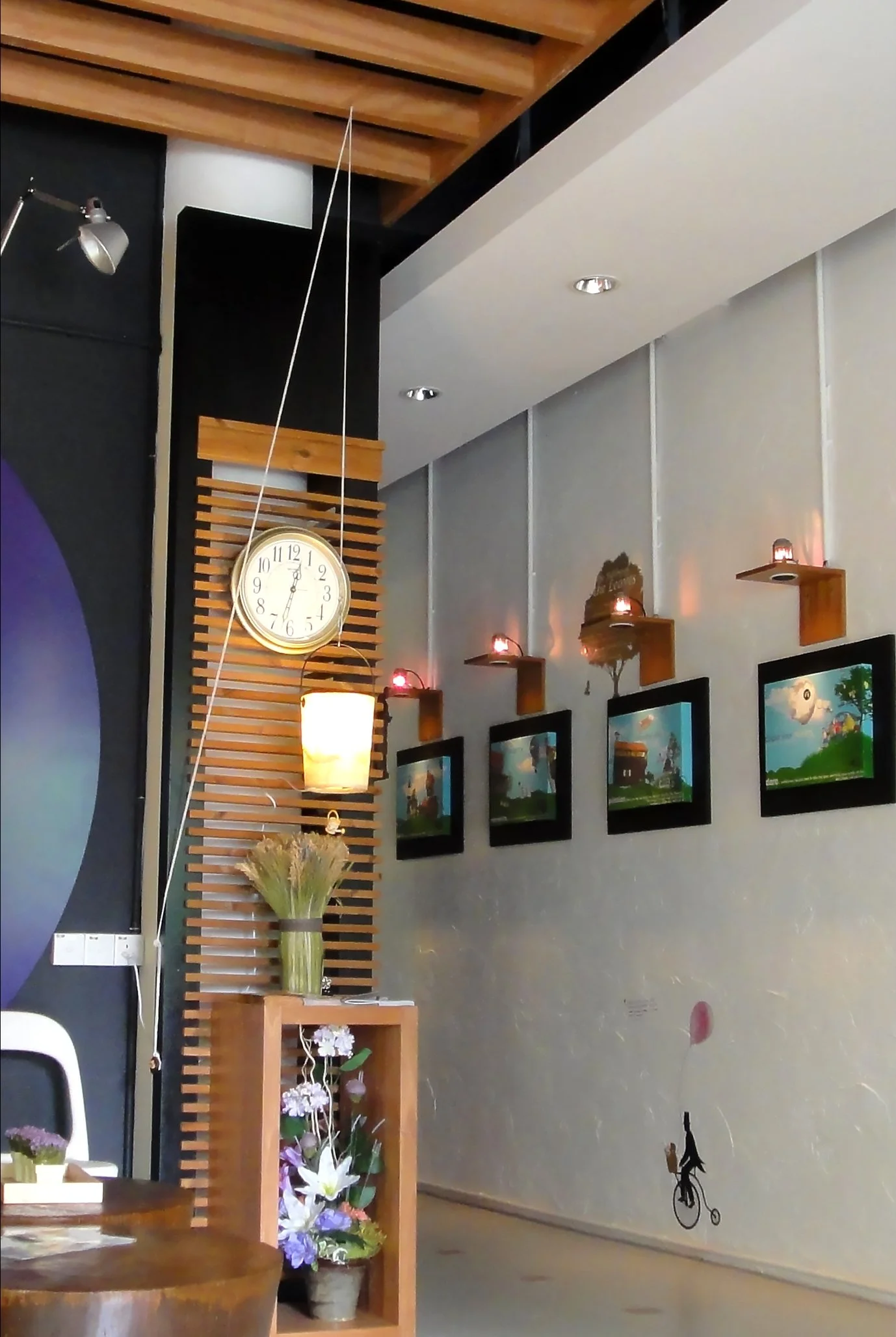
Art and design both involves creative exploration. However, the fundamental difference is the ‘functional element’, separating art from design. Art is a journey of self-discovery through an expressive medium, be it sculpture, painting, drawing or craft work. It is typically without a functional element. Whereas design embraces functionality in every creative endeavor. There are some who embraces art in the pursuit of design challenges. We are at the vanguard of harnessing both art and design creative inspiration in our creative pursuit of home renovation. We recognize art in the mundane, we pursue design in the expression of beauty and function.


B E T W E E N
A R C H I T E C T U R E
+ I N T E R I O R
[ qualities of space ]
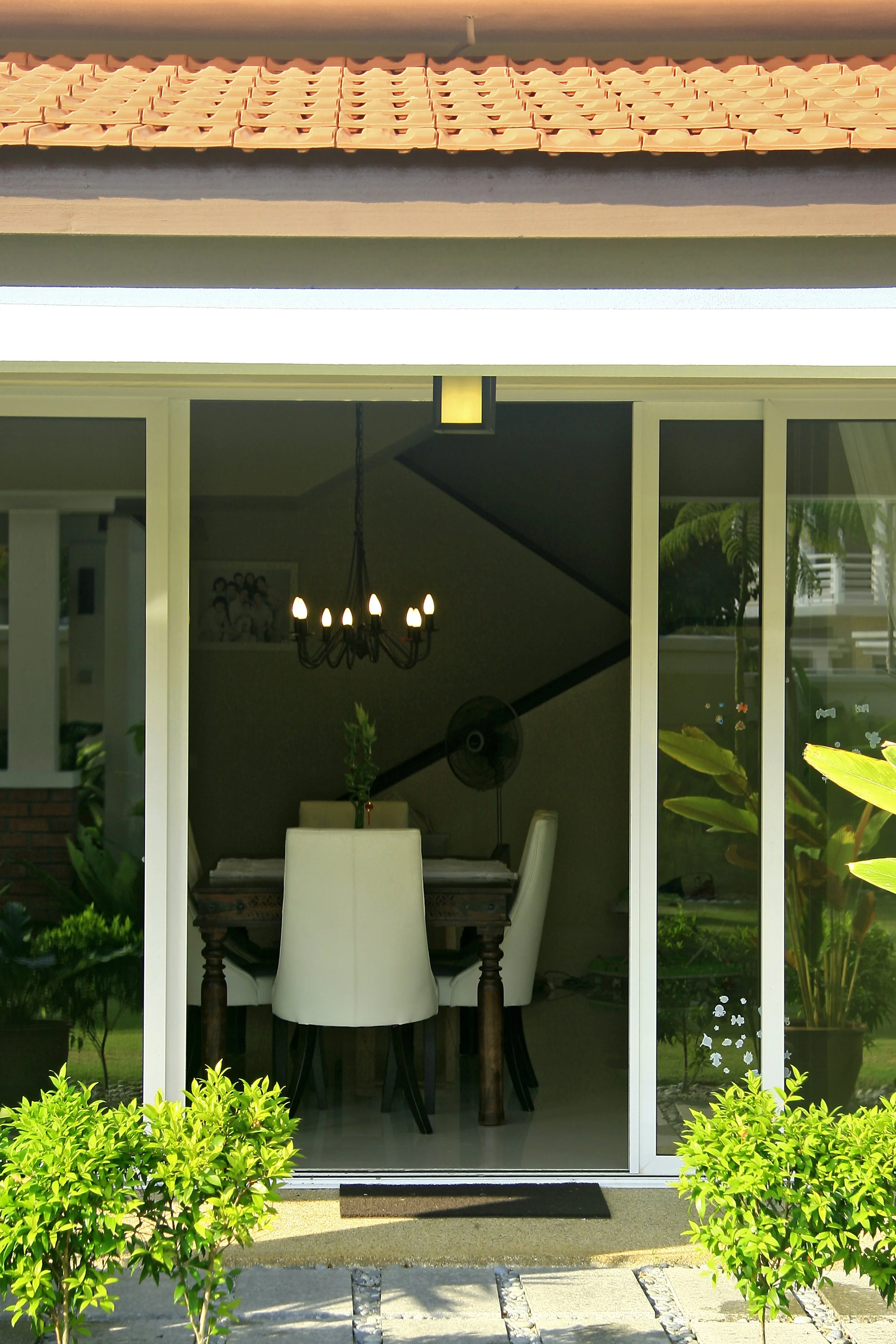
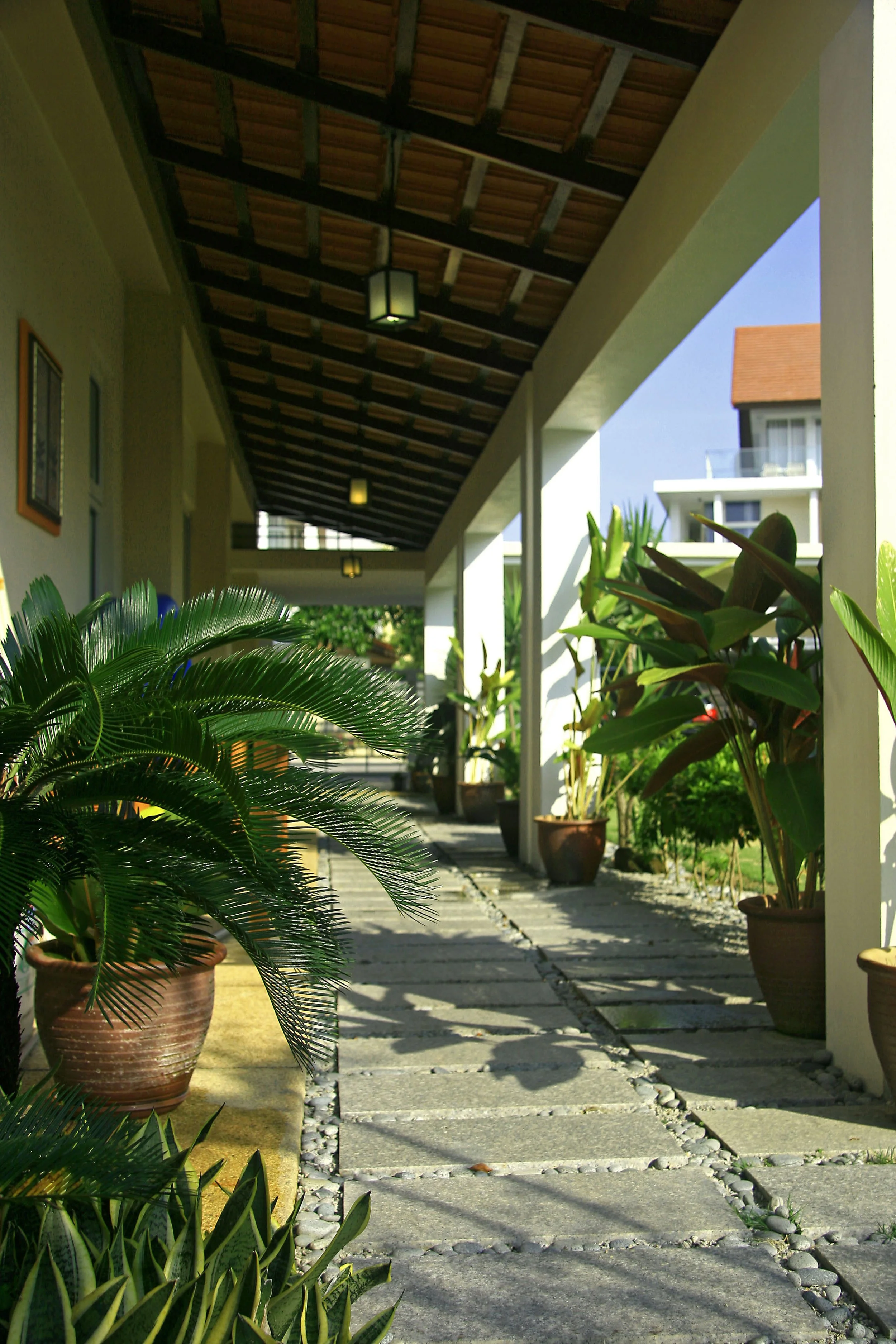
It is simple to understand that four walls are constructed to define a space. Though place-making requires an entirely different set of design criteria. From the exterior to the interior, the interplay of elements from natural light, structure, garden pockets, parking spaces to yard is intimately intertwined - hence making a space beautiful, comfortable, functional and authentic will involve creative weaving of all design elements into a cohesive unifying whole. Such a task is intricate and complex, and we attempt to decode that complexity to help homeowners find simple solutions to quality spaces for their home.
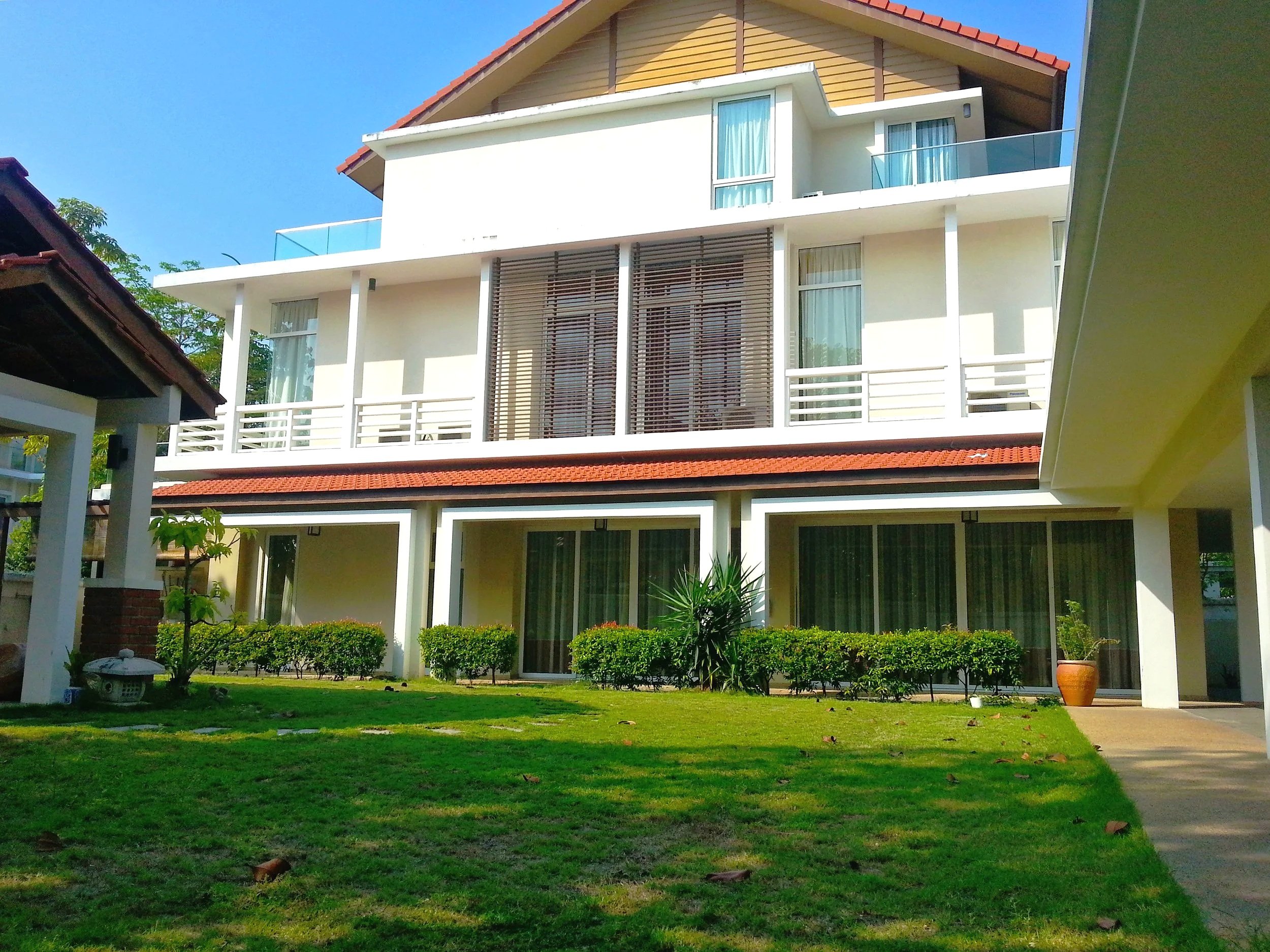
The relationship between interior and exterior is envisioned as a connected whole, using structural elements as the bridge metaphorically to seamlessly connect the interior to the exterior design elements. The design language of the porch extension is intended to be coherent and mirror's the architectural language of the house. The understanding of both architecture and interior design challenges is critical in executing an elegant solution that brings design clarity to the final outcome.

B E T W E E N
L U X U R Y + E C O N O M Y
[ designing for affordability ]
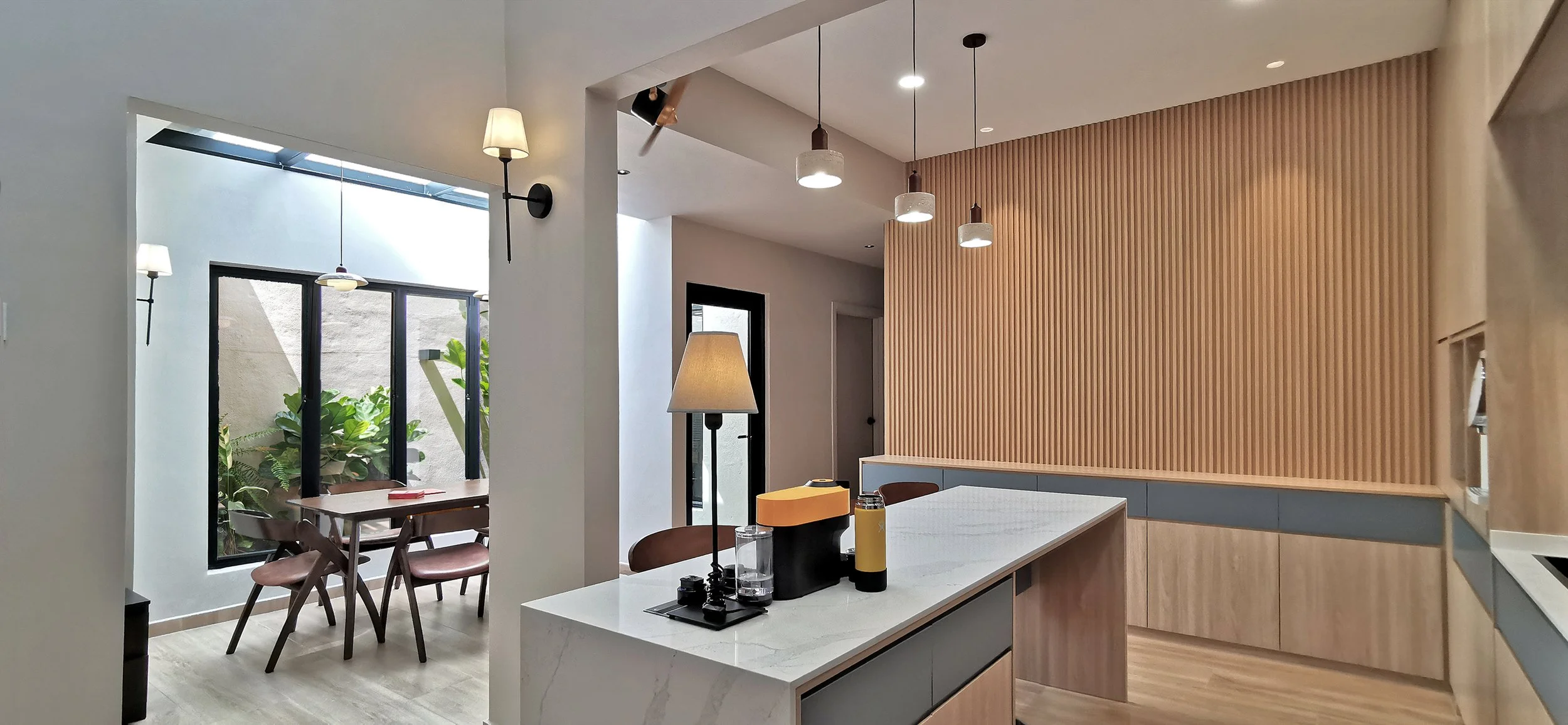
Design for affordability is not only about the highest quality materials and finishes. It is a holistic multi-faceted challenge, involving a toolbox of design principles and strategies. Finishes are only part of the final outcome. From effective space planning to functional requirements and aesthetic attributes, design solution can be pegged to a budget and still meet a respectable standard. By swapping out the ultra expensive finish or over-the-top wish list, we can help deliver a better overall design outcome.
CGD Art Studio strives to provide affordable creative renovation for homeowners, allowing accessibility to quality space planning and design assistance to those who yearn to own a home but find the cost of reaching that dream unapproachable.
W E T H I N K
D I F F E R E N T L Y
We work on the premise that having a budget is an equally plausible approach to achieving a desirable renovation outcome.